Fashion Designer · Researcher · Fashion Engineer

Farwa Awan

Runways shouldn't just be watched. They should feel alive.

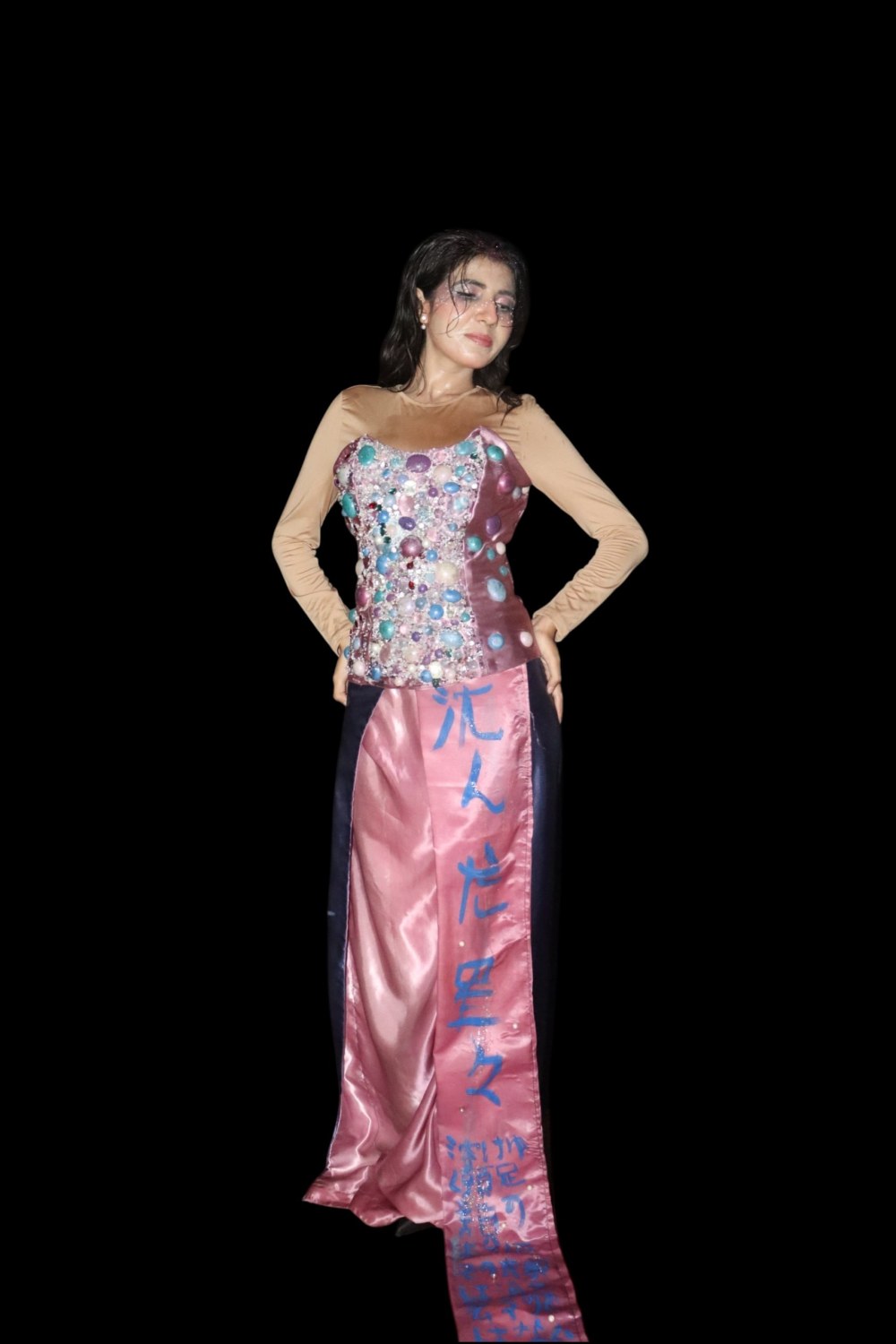
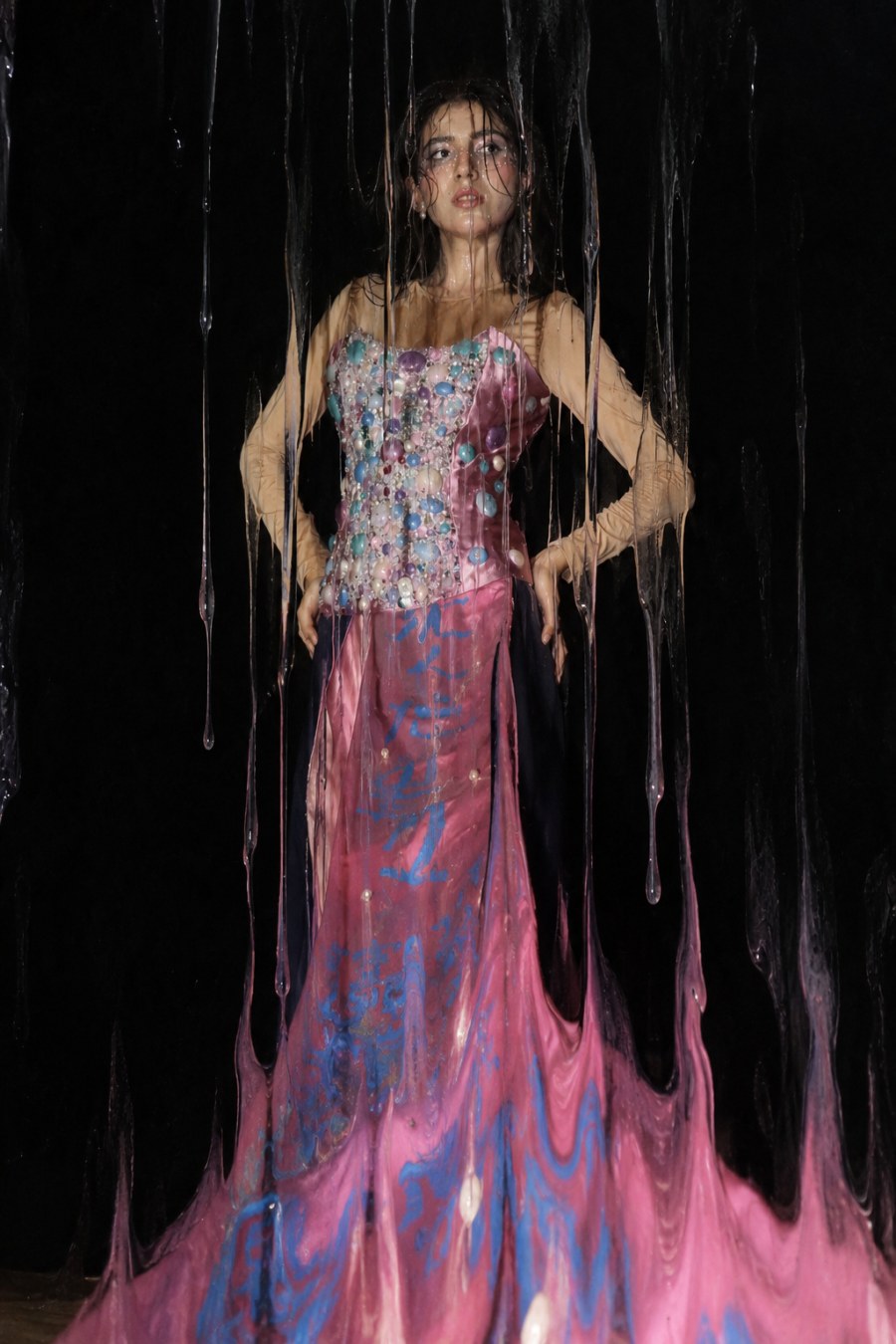
Farwa Awan in a pink gown with a jewelled corset, wrapped in clear dripping gel

About — The practice

I'm a fashion designer driven by curiosity, experimentation, and the desire to challenge conventional ideas of what clothing can be. My practice explores the relationship between fashion, technology, biology, and material innovation, creating garments that are not only worn but experienced. Through experimental textiles, biopolymers, biomimicry, wearable technology, movement, and transformation, I explore how fashion can become interactive, responsive, and alive.

  • Experimental textiles
  • Biopolymers
  • Biomimicry
  • Wearable technology
  • Movement
  • Transformation
Project 01 — Moving

Fashioneering

01 · Fashioneering

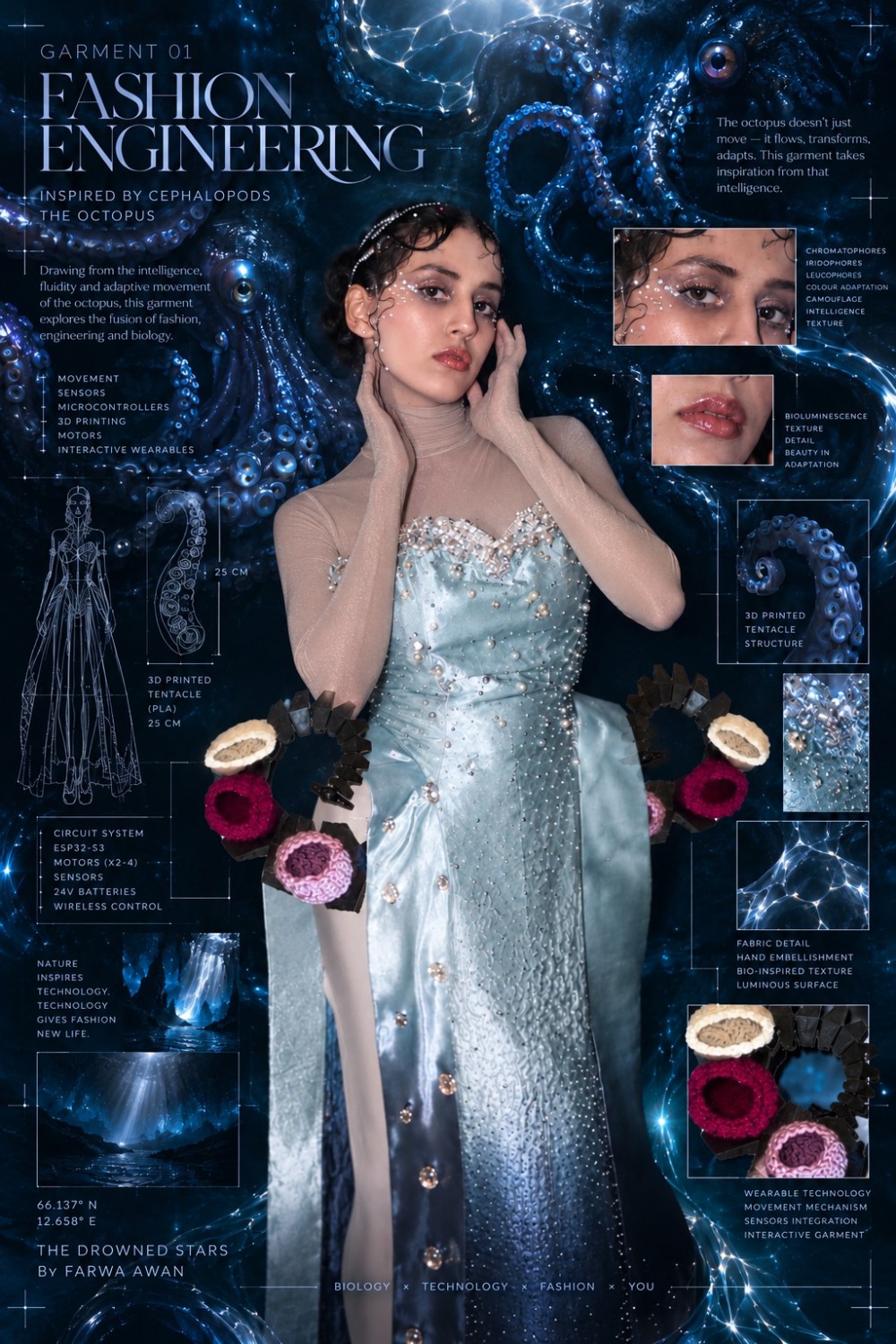
A robotic tentacle, engineered to move.

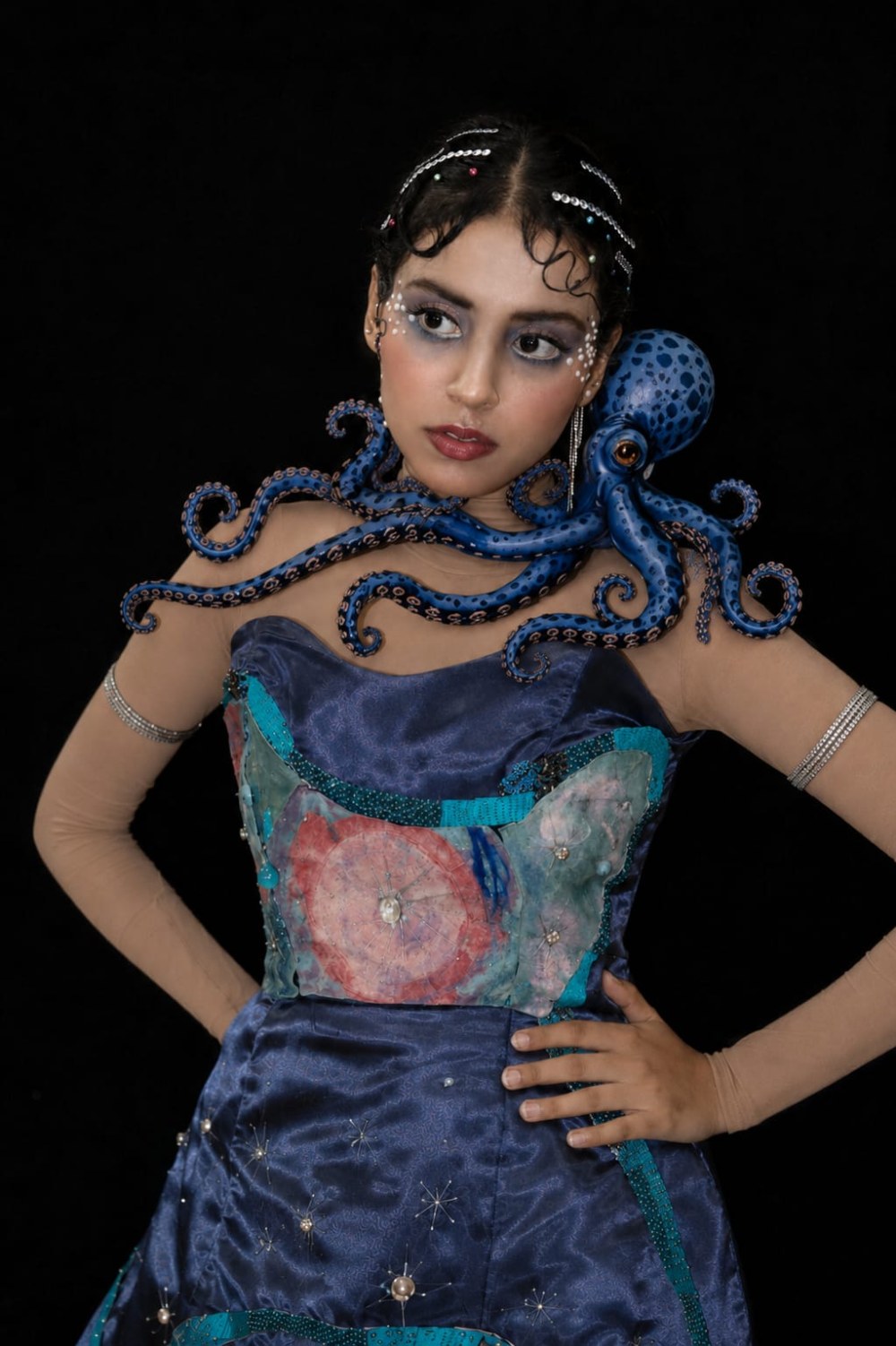
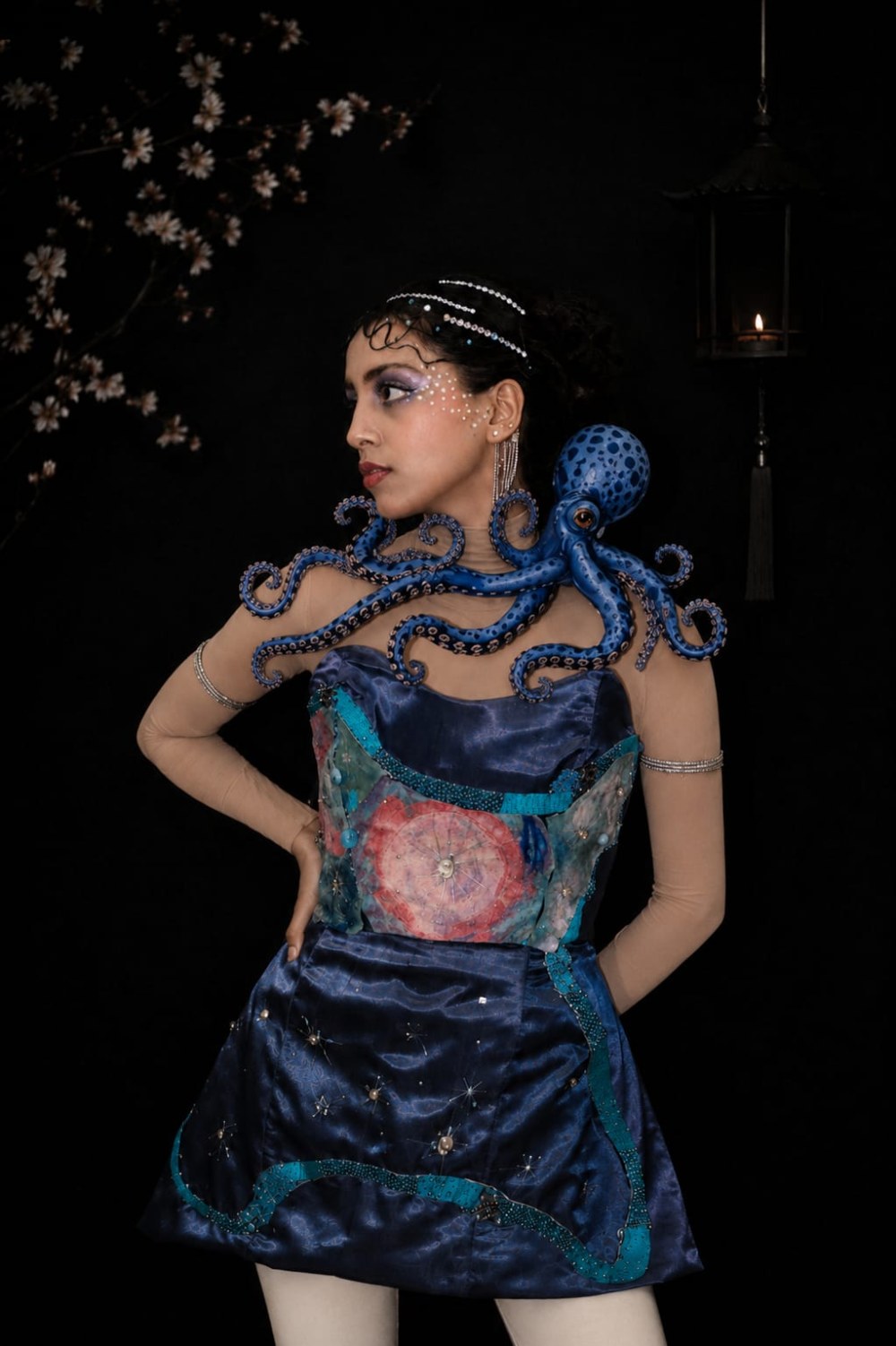
Inspired by the coconut octopus, the bodice's three beaded panels reference the animal's three hearts, and its stonework echoes the spark of photophore connections that give bioluminescent creatures their glow.

The tentacle itself is a working mechanism: STL-modelled segments, 3D-printed, driven by a servo motor and controlled wirelessly over its own WiFi hotspot from an ESP32-S3 microcontroller. To my knowledge, it was the first garment in Pakistan to integrate a microcontroller-driven moving mechanism into the construction of the piece itself.

  • STL-modelled
  • 3D-printed
  • Servo motor
  • ESP32-S3
  • Own WiFi hotspot
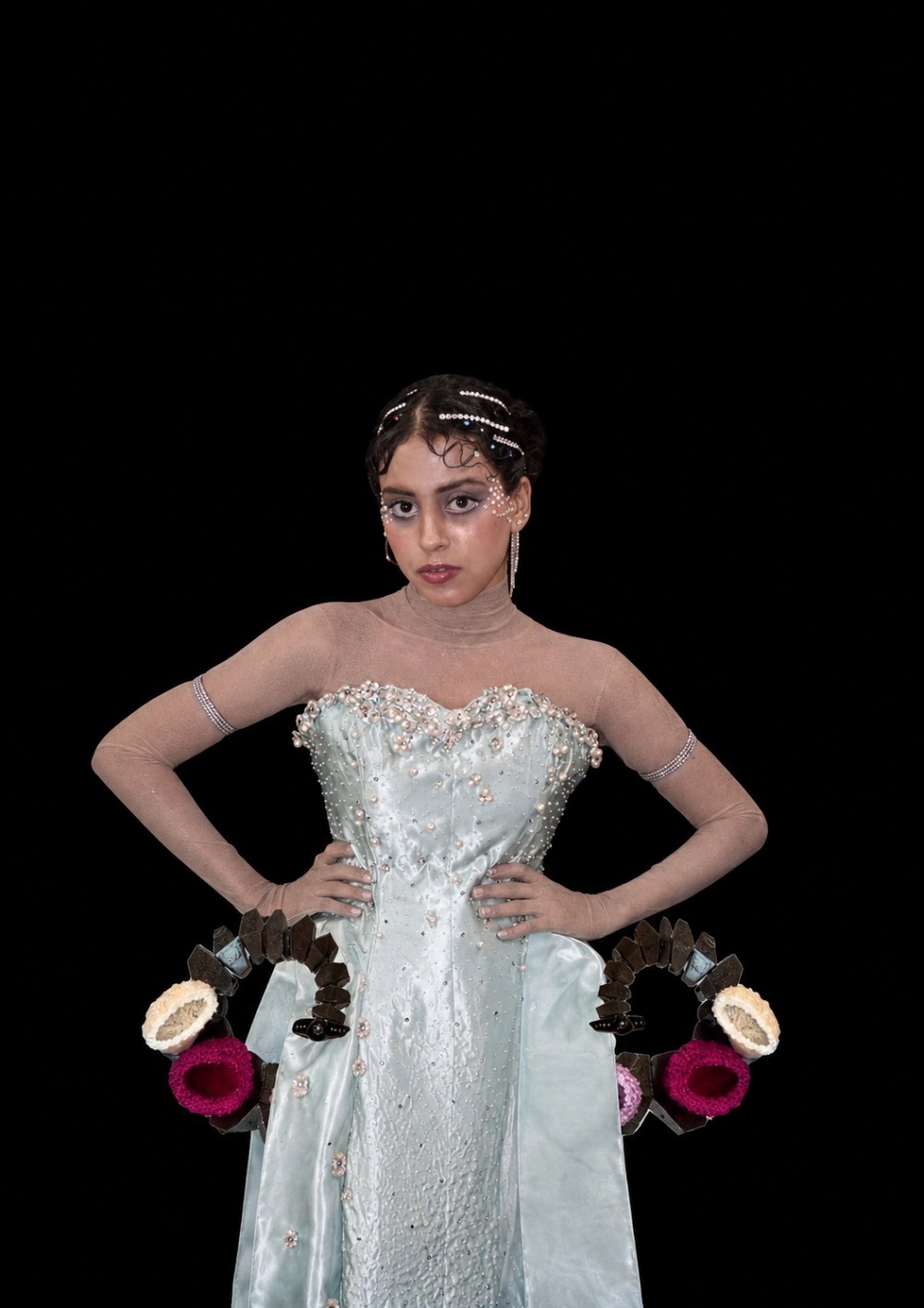
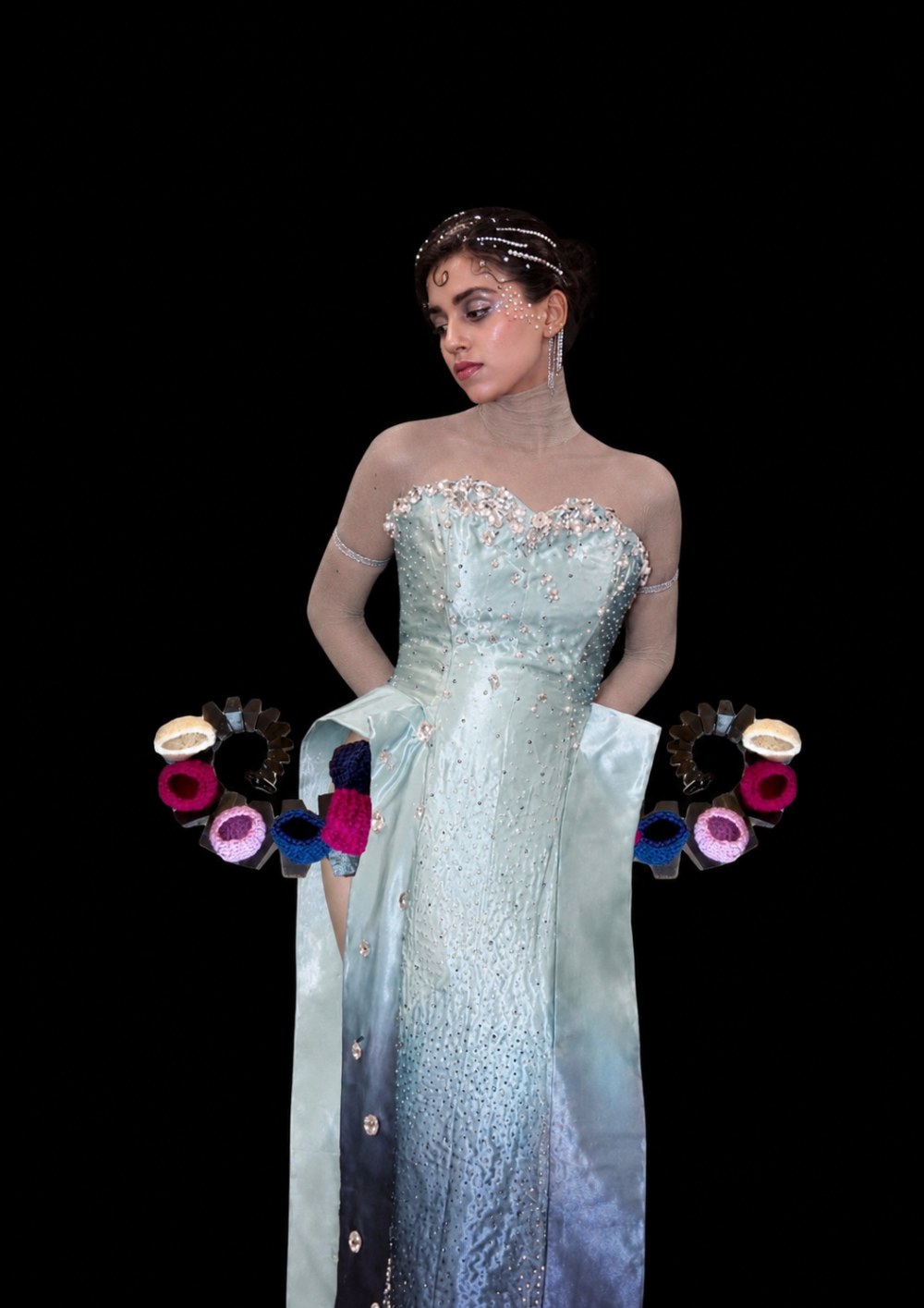
Garment 01 Fashion Engineering poster, inspired by the octopus The finished garment, hands on hips The finished garment, looking to the side
Project 02 — Growing

Seaweed Bio Textiles

02 · Seaweed Bio Textiles

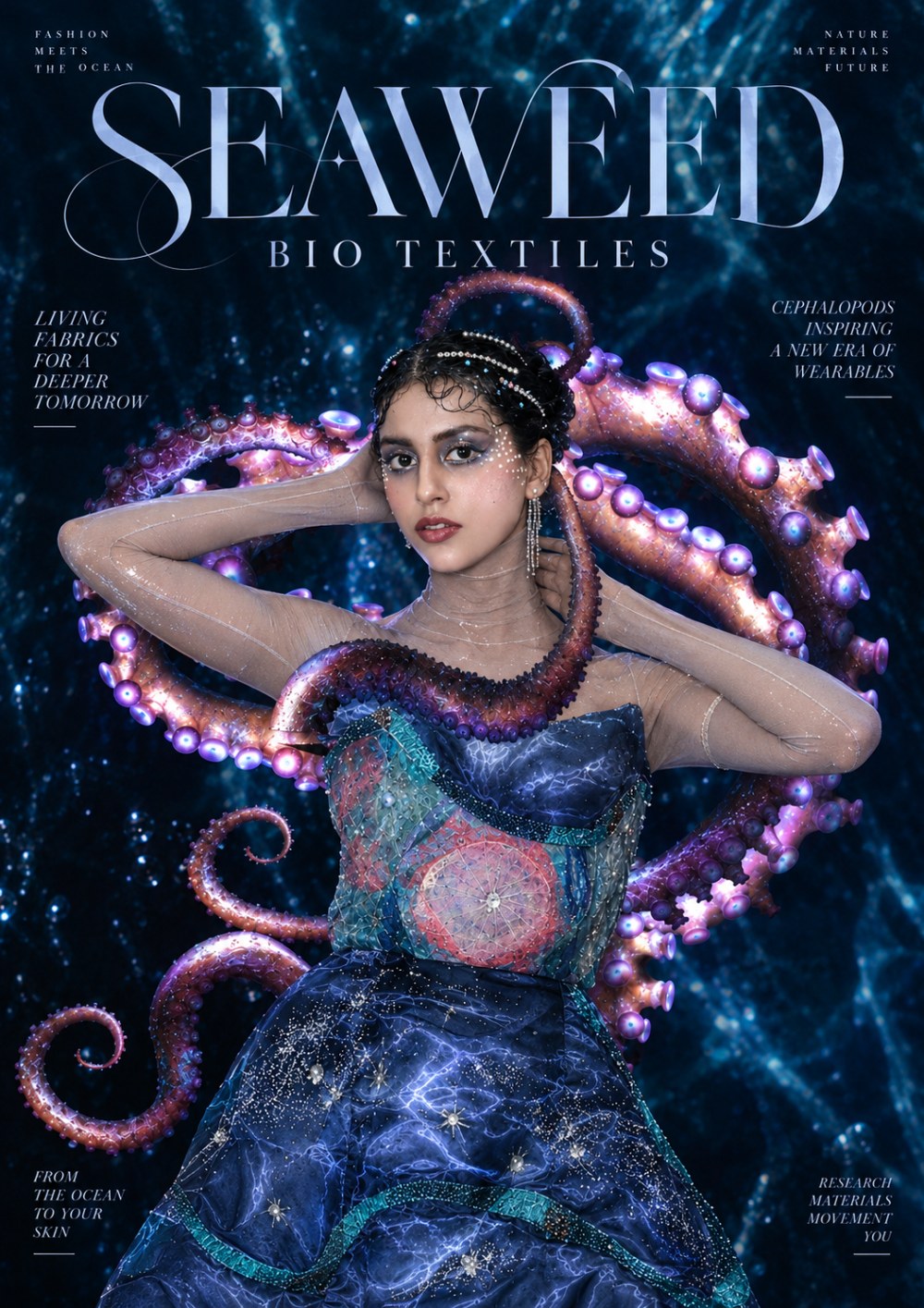
A biodegradable fabric grown, not woven.

Sodium alginate, a natural polymer derived from brown seaweed, was developed into a flexible, film-like sheet by combining it with glycerin and water through a controlled drying and curing process.

Getting there took five rounds of formulation. Early sheets were too thin and cracked during stitching; adding felt wool fibers gave the material the tensile strength to hold a seam. Later batches introduced glycerin, beetroot pigment, and natural antifungal agents (first jasmine oil and vinegar, then lemon and sandalwood) after earlier samples developed fungus from unsterilized trays and non-airtight storage. The final garment fabric settled at roughly 49 g alginate to 1 L water with 20 ml glycerin.

5Rounds
49 gAlginate
1 LWater
20 mlGlycerin

Why it matters

Antibacterial, antifungal, naturally made, and fully biodegradable — proof that sustainable materials can carry couture-level detail.

Seaweed Bio Textiles magazine cover Octopus corset garment, hands on hips Octopus corset garment with cherry blossom branch and lantern
Project 03 — Dissolving

The Dissolving Garment

03 · The Dissolving Garment

What if a garment could disappear on cue?

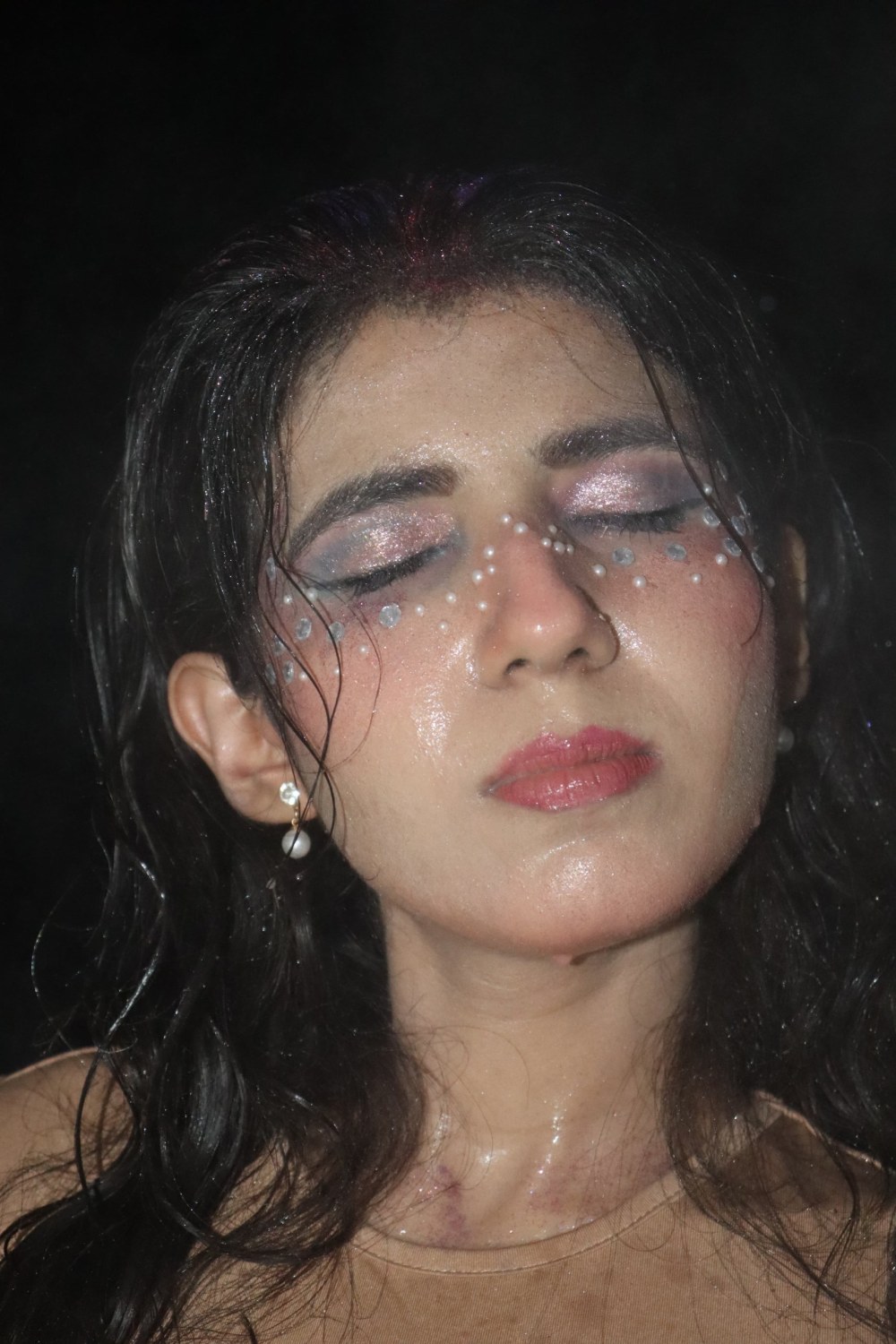
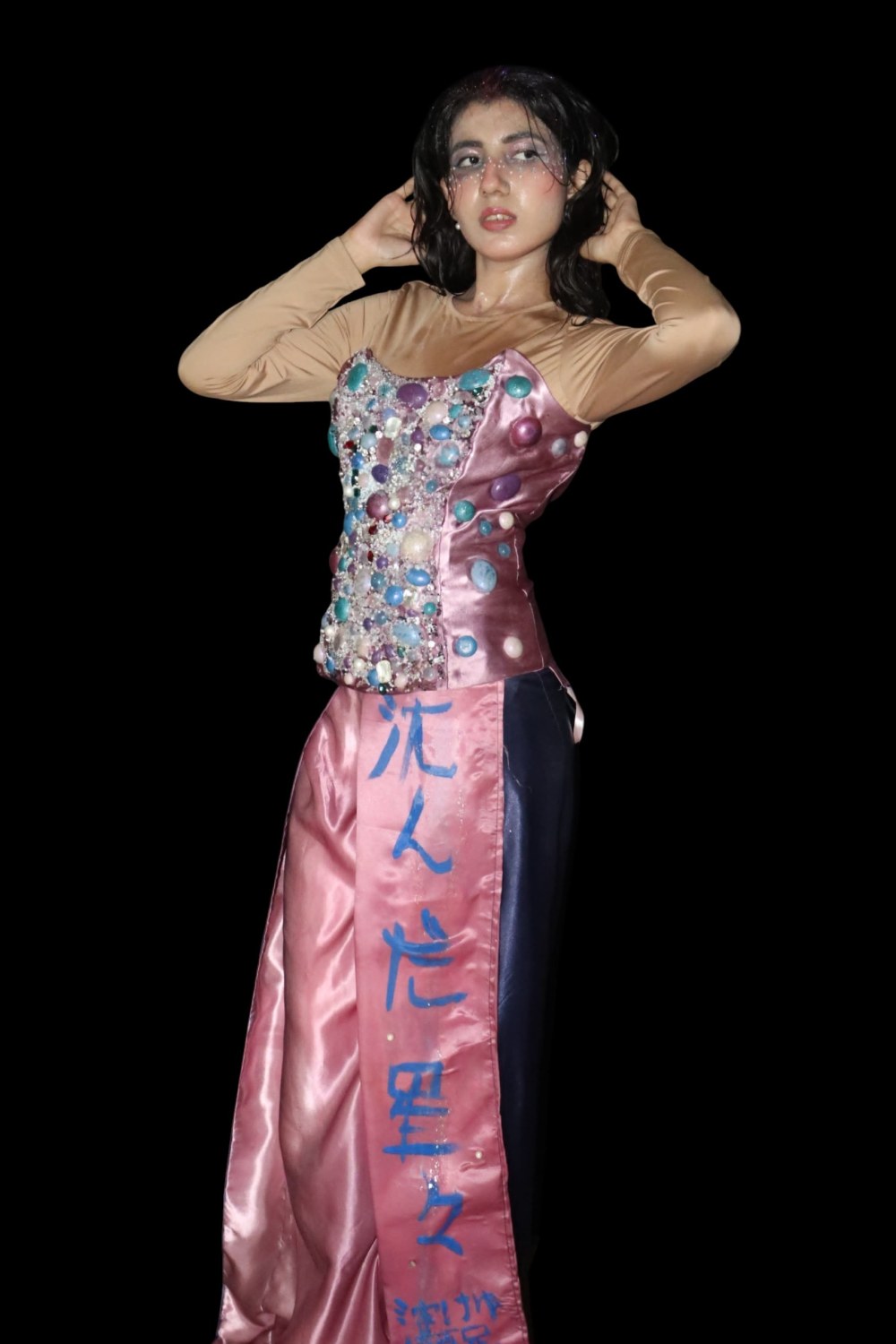
Not durability, but dissolution. Built into the corset is a concealed water reservoir and drip line, so that water released onto the fabric panel causes it to gradually lose structure and dissolve in front of the viewer.

Hand-painted calligraphy trails down the sash, tying the piece back together.

Concept: transformation and disappearance, made literal — an interactive garment with a temporary lifespan.

  • Concealed reservoir
  • Drip line
  • Hand-painted calligraphy
Corset and skirt with a calligraphy sash, full length Close portrait with pearl and crystal eye makeup Beaded corset and calligraphy sash, hands in hair
Project 04 — Reconfiguring

Transforming Garment

04 · Transforming Garment

One belt, two silhouettes.

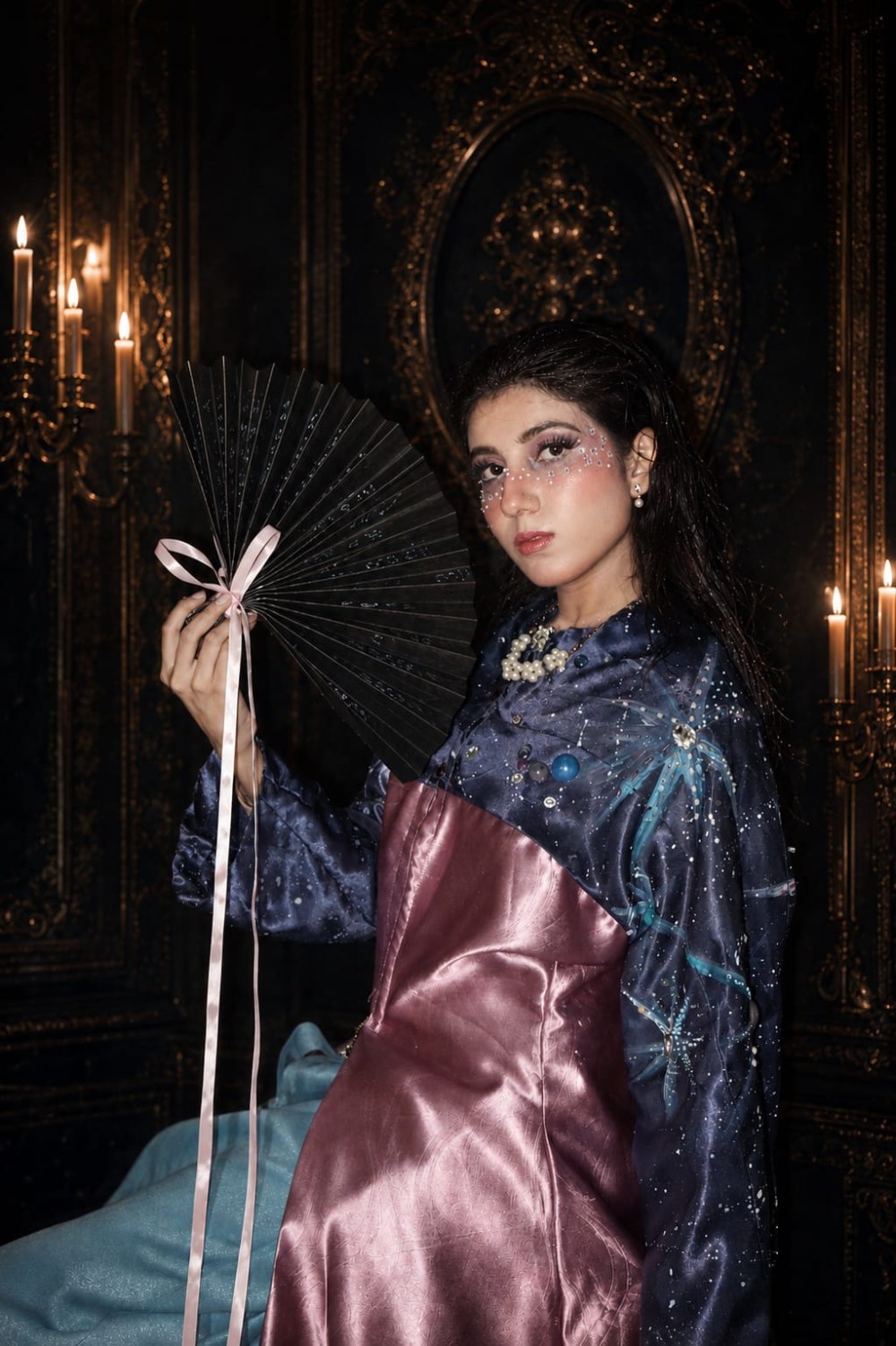
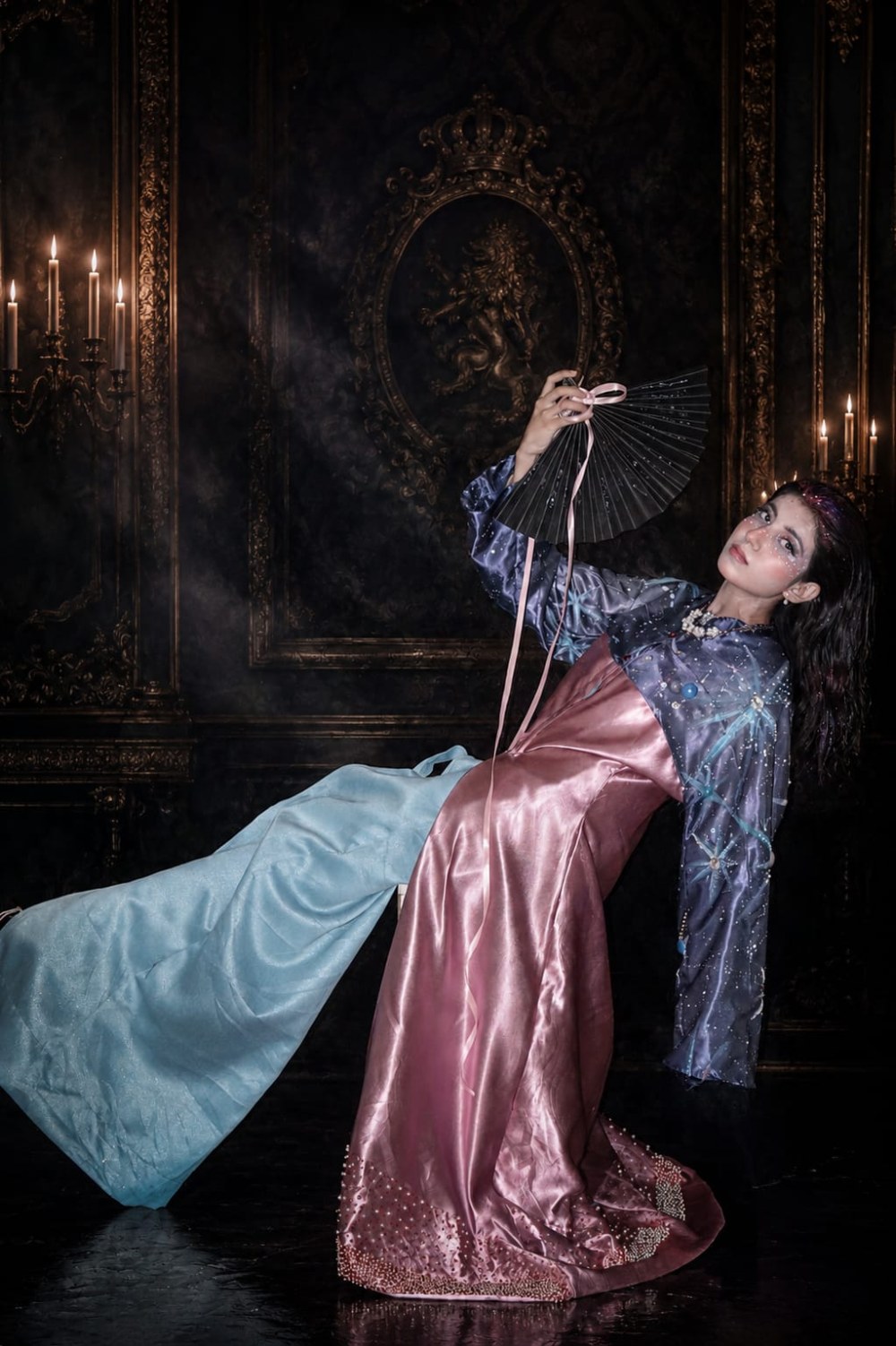
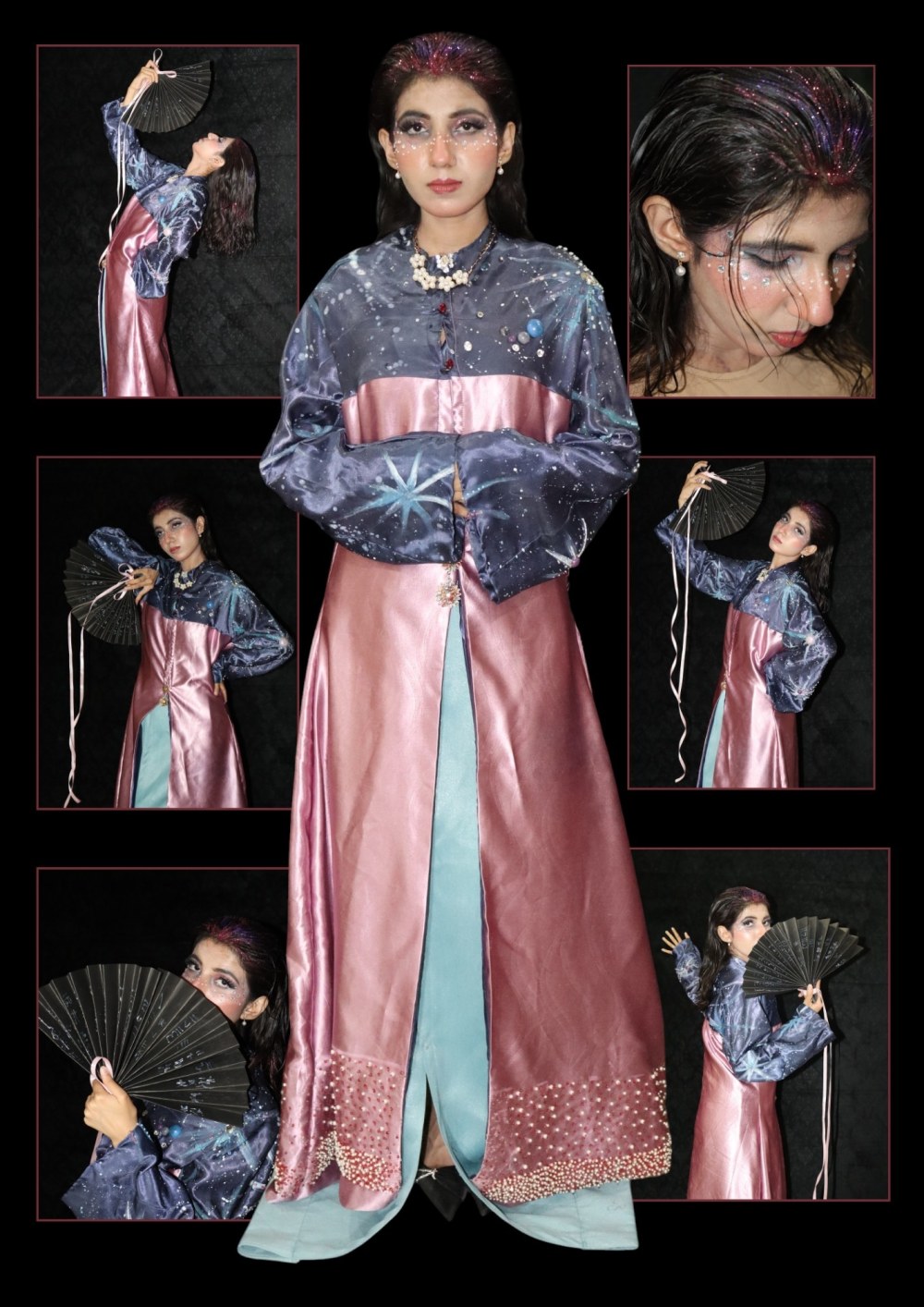
A garment built around a single mechanism: the model pulls free a belt, and the release reconfigures the silhouette into an entirely new dress.

Where the other three garments transform through material — dissolving, growing, moving — this one transforms through construction, turning the act of undressing into the reveal of a second design.

  • Single mechanism
  • Belt release
  • Second design underneath
Model holding a black fan Model reclining in candlelight Full-length look with detail frames

Project 05 — Illustration & bridal

Luxury & Formal Wear

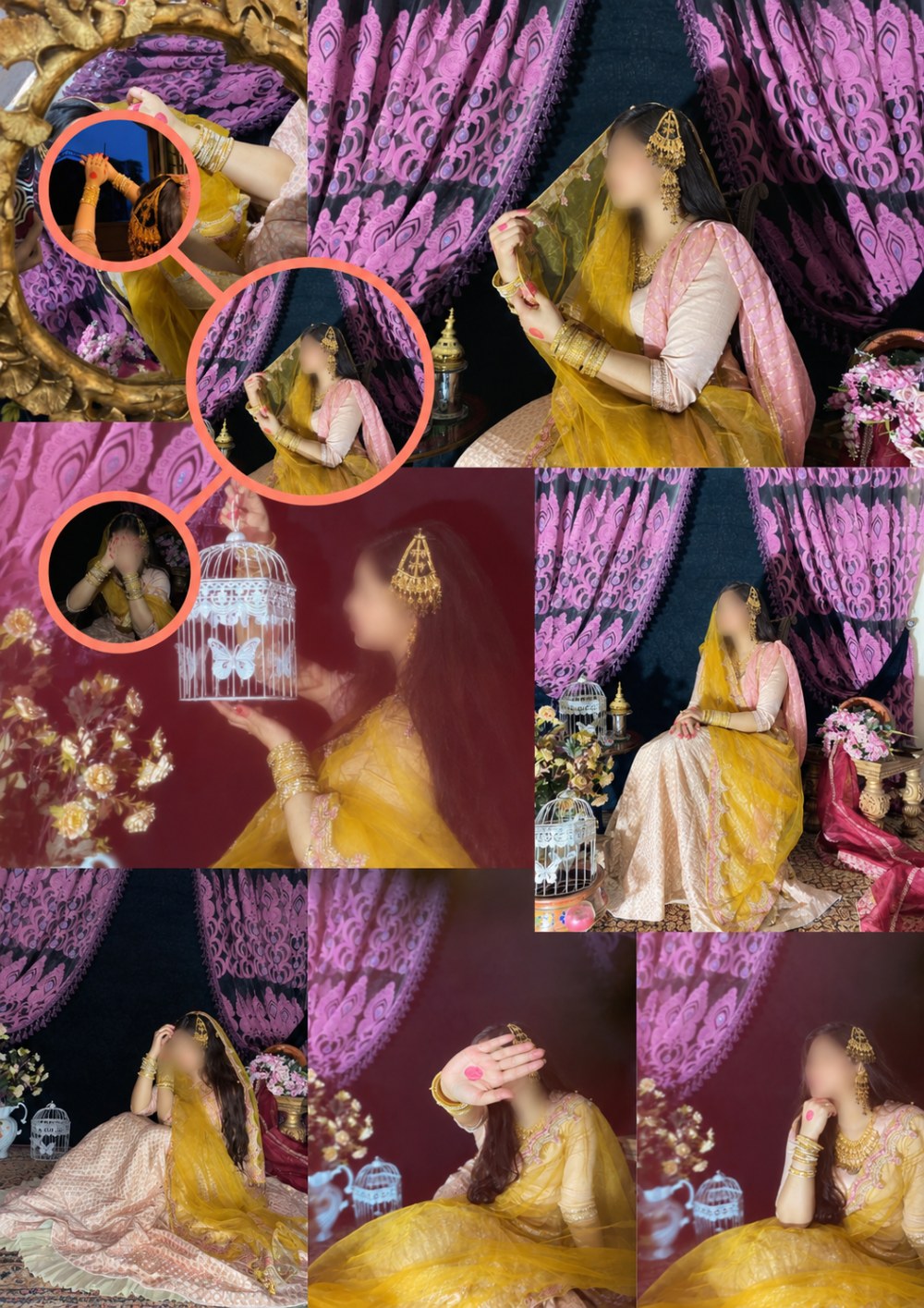
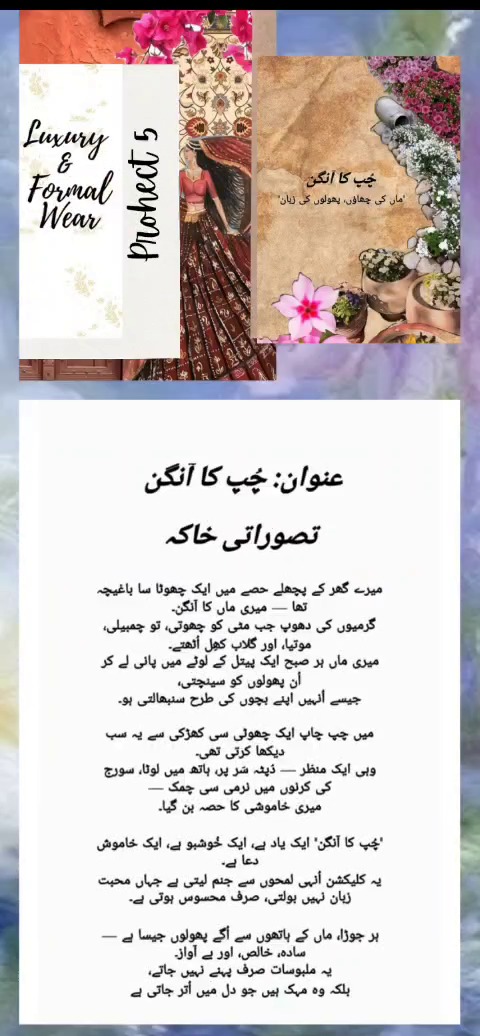
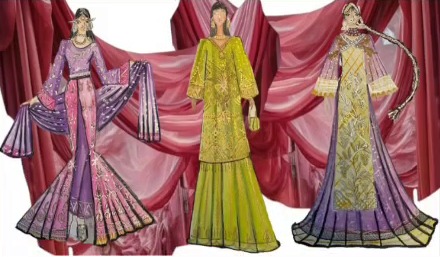
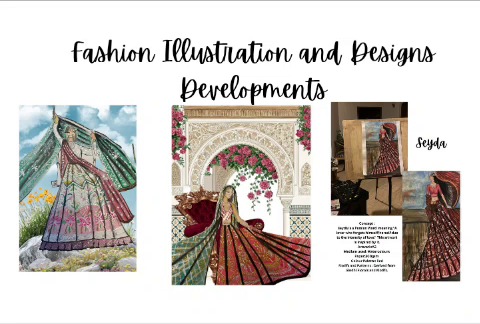
Mood collage in purple and gold, yellow and pink bridal look Project 5, Luxury and Formal Wear, with an Urdu essay Three bridal and formal illustrations against red drapes Fashion Illustration and Designs Developments

Project 06 — Street wear

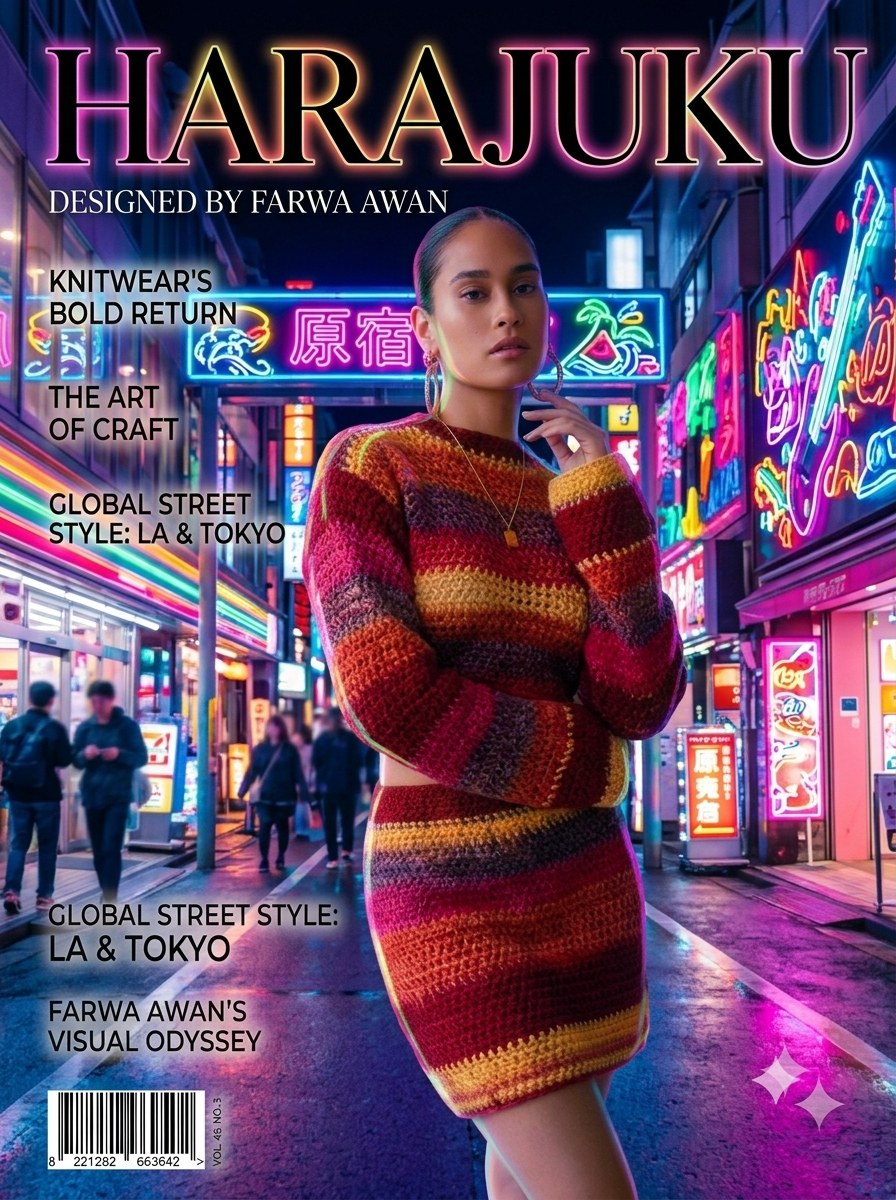
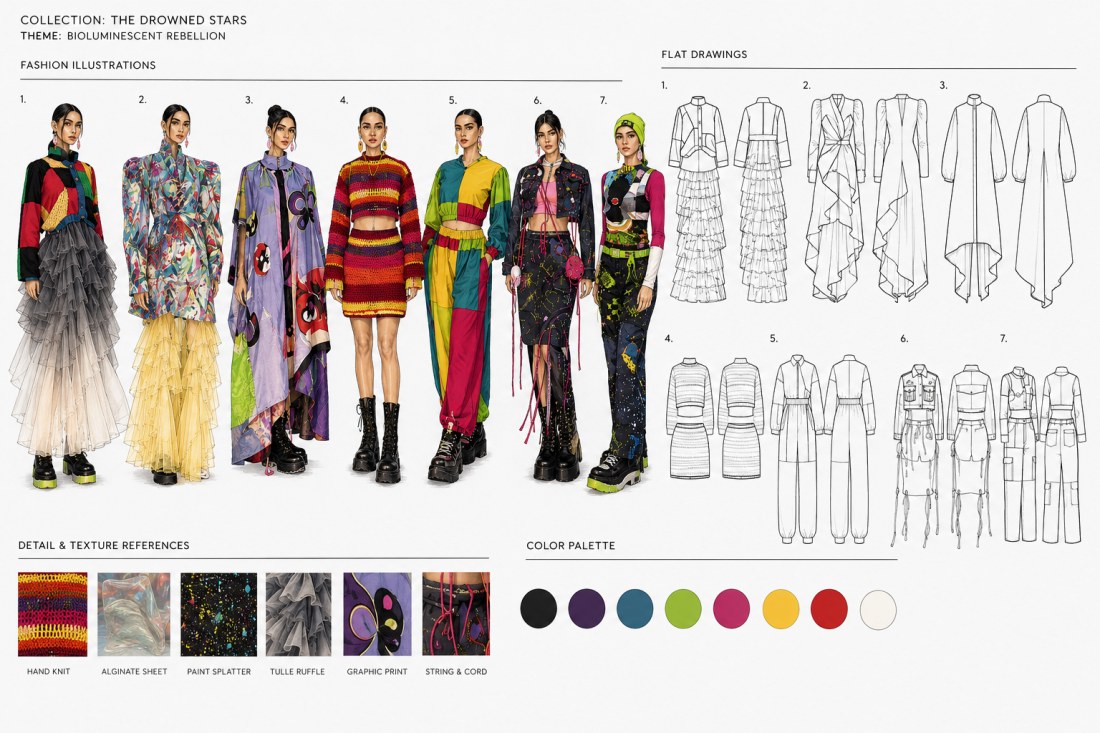
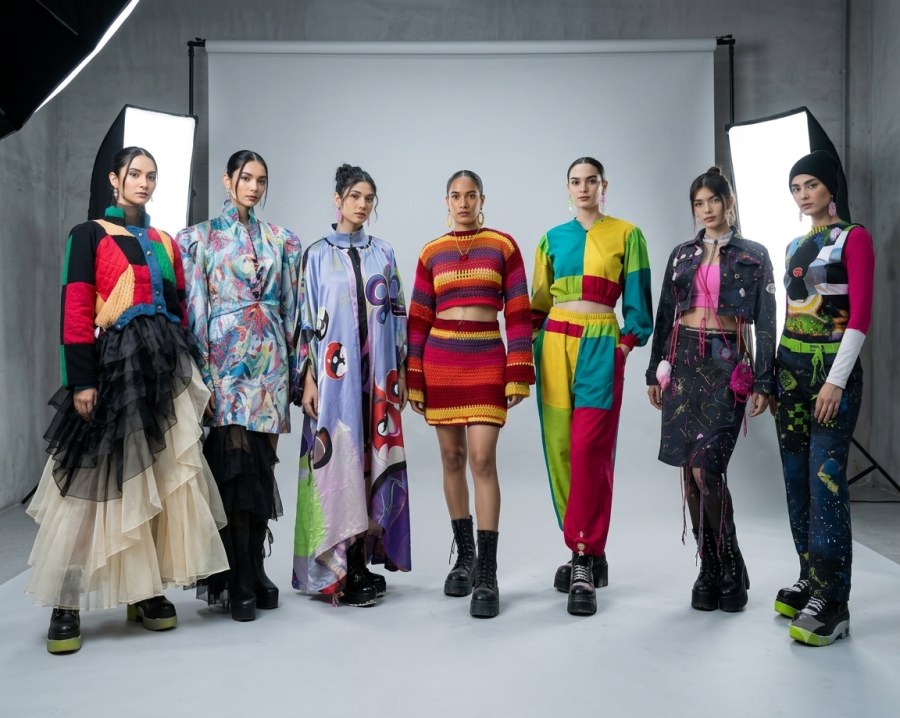
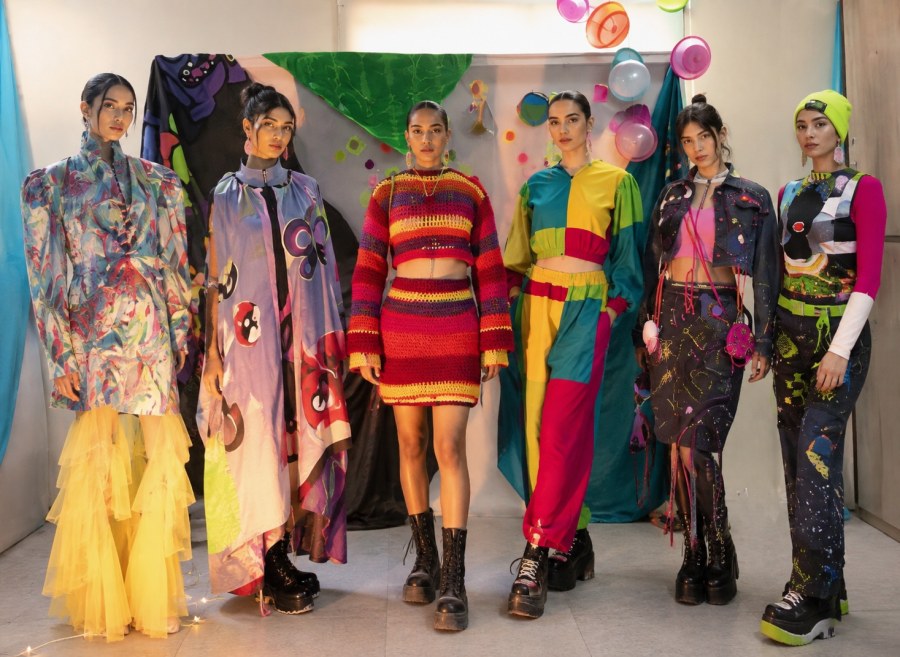
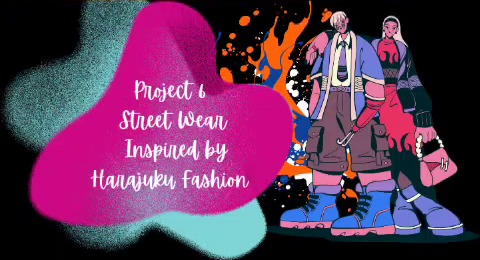
Street Wear Inspired by Harajuku Fashion

Harajuku magazine cover designed by Farwa Awan Collection sheet with flat drawings and colour palette The seven looks styled in a studio The collection worn by six models Project 6 title artwork with illustrated characters

Education

Bachelor's in Fashion Design

University of Management and Technology (UMT)
Lahore, Pakistan · Final Year / 8th Semester
Research Field
Textile Development
Key Areas of Study
  • Fashion Design
  • Textile Development
  • Fashion Engineering
  • Sustainable Textiles
  • Bio-fabrication
  • Fashion Technology
  • CLO 3D
  • Fashion Illustration
  • Textile Design
Tools & Skills
Fashion sketching & illustration, idea-to-production management, draping & pattern making, Adobe Photoshop & Illustrator.

Experience · Studios & ateliers

  • Aug 2025 – Aug 2026

    Design Intern

    Shades by Abeeha Usman, Johar Town

    Sketched designs and worked with the team from production to final shoots. Prepared detailed sketches, diagrams and technical flats in Adobe Illustrator to communicate embellishment and embroidery requirements to the atelier team.

  • Jun 2024 – Aug 2024

    Design Intern

    Maham Zulfiqar, Bankers Society

    Designed sketches for print and oversaw design and production. Compiled material swatches and fabric samples for client presentations, supporting collection development across seasonal themes.

  • 2021 – 2022

    Watercolour Artist

    Rabia Nawab Studios

    Learned life and figure drawing through watercolour. Developed custom palettes for nuanced skin tones and textile textures across fashion illustration applications.

What's next?

The runway shouldn't stand still.

I'm continuing into a Master's in Design or Design Management, building on a practice that already treats the garment as something with a pulse. My work asks what happens when a runway stops being a static procession, when the clothes themselves move, respond, and change in front of you.

Runways shouldn't just be watched. They should feel alive.

Contact

Let's talk.

Open to bridal & couture commissions, design internships, and collaborations at the edge of fashion and technology.

Say
hello